When one end of a bumper drops, or the gap to the wing becomes uneven, the cause is almost always a fastener. A bumper does not lose its shape on its own; one of the clips, nuts or brackets holding it has given up.
Diagnosis by Symptom
One end of the bumper hangs low: the upper clip row or the side bracket on that side has broken. If lifting the bumper by hand seats it easily, the fixing is loose.
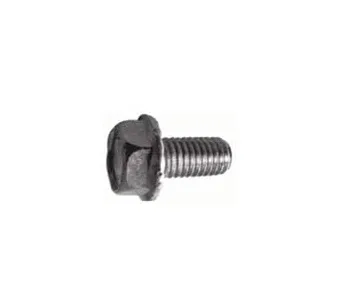
The gap between wing and bumper is wide on one side: the alignment has shifted, usually because one of the wing bolts or nuts has sheared or its seat has opened up.
Vibration or booming at speed: the top edge of the bumper has separated from the body. The free edge flutters in the airflow, and that reaches the cabin as noise.
The wheel arch liner or an inner filler panel flaps: its clips have pulled out. Left unsecured, water and gravel from the wheel reach the engine bay.
Looseness that appears after a wash: pressure water has pushed out a clip that was already fatigued. That clip is at the end of its life.
What Driving on a Broken Clip Costs
A loose bumper eventually rubs the wing and wears through the paint, while the vibration fatigues the neighbouring clips. A problem that started with one clip spreads across the whole row within months, which makes replacing the broken part immediately the cheapest option.
Choosing the Right Part
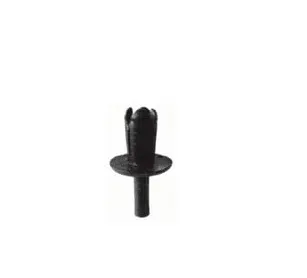
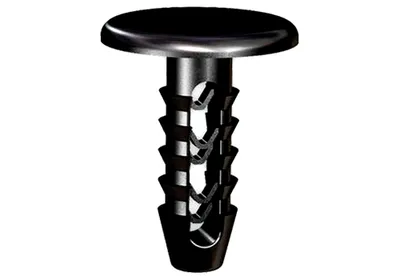
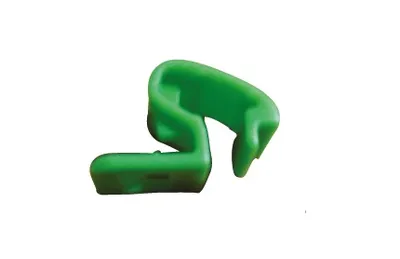
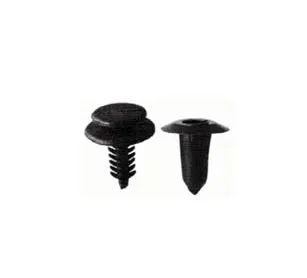
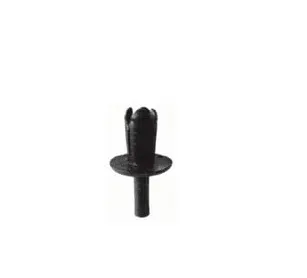
Three dimensions are assessed together here: hole diameter, panel thickness and clip head diameter. Metal-reinforced clips are preferred at load-bearing points exposed to vibration; non-corroding plastic clips suit panel alignment and trim fixing.
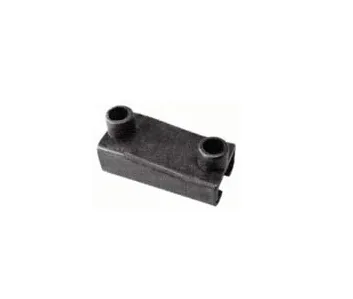
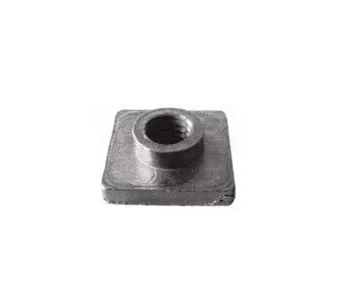
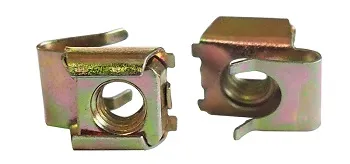
Wing and bumper joints also use items such as cage nuts and hex-socket bolts, whose sizes vary by make and model. Send us the make, model and mounting point and we will match the right stock code.